
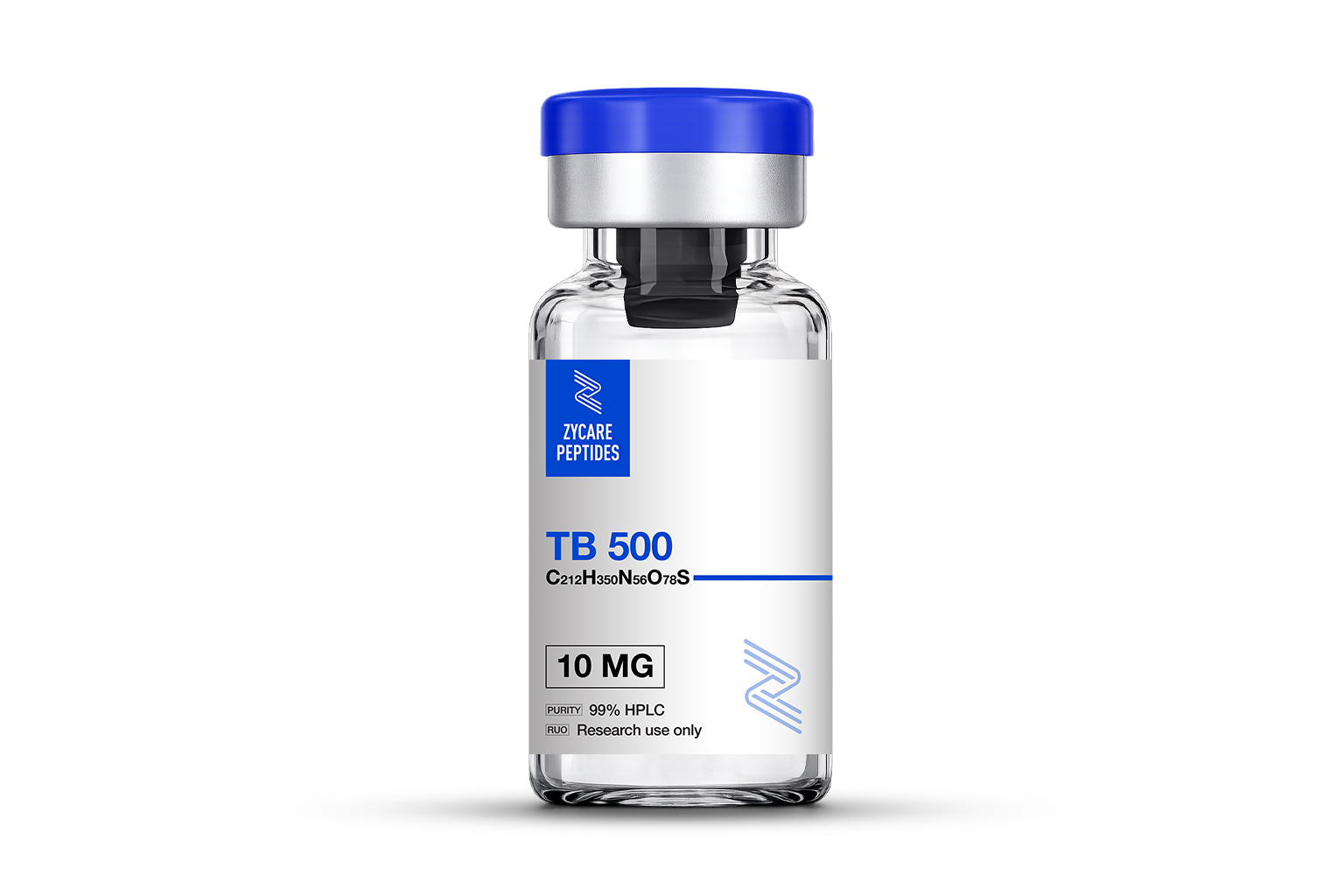


TB 500 is synthetic fragment and TB mimics that repair signal and may regulates actin polymerization. Actin is a key protein for cell structure, movement, and wound repair. The active region of Thymosin Beta-4 (TB-4) is TB-500 which is a 43 Amino acid peptide naturally produced in all human cells. It may refer to the amino acid sequence Ac-LKKTETQ, residues 17-23 of TB4, which is the most active site for actin binding and tissue repair. TB4 is released by platelets, macrophages, and other cells during injury to promote cell migration, angiogenesis and reduce inflammation.
Key Features
| About | |
| Drug Class | Research peptides |
| Subclass | Actin-binding peptide |
| Active ingredient | Thymosin Beta-4 fragment |
| TB500 | |
| Composition | Active ingredients
TB-500 (Thymosin Beta-4 fragment) Inactive ingredients: Lyophilized powder Bacteriostatic water |
| Packaging Type | Type 1 Borosilicate glass vial |
| Pack Size | 1 vial |
| Dosage | 10 mg |
| Active ingredients | Thymosin Beta-4 fragment |
| Shelf Life | 2-3 years if sealed |
| Usages | Healing and Repair |
How does TB-500 work?
TB4/TB-500 acts mainly through actin dynamics, cell migration, and gene regulation. From animal & in-vitro data:
- Actin upregulation: Binds G-actin and promotes polymerization, helping cells change shape and migrate to injury sites.
- Cell migration: Increases mobility of endothelial cells, keratinocytes, fibroblasts, and stem/progenitor cells toward damaged tissue.
- Angiogenesis: Stimulates VEGF expression and new blood vessel growth better oxygen/nutrient delivery.
- Anti-inflammatory: Downregulates TNF-α, IL-1β, IL-6, reduces neutrophil and macrophage infiltration.
- Anti-fibrotic: Lowers collagen deposition and scar tissue formation.
- Cytoprotection: Reduces apoptosis in cardiac, neuronal, and corneal cells in injury models.
Research Application
- Muscle tears, strains, and wasting.
- Tendon and ligament injuries.
- Skin wounds, burns, corneal ulcers.
- Myocardial infarction and ischemia-reperfusion injury.
- Stroke and traumatic brain injury.
- Chronic inflammation and autoimmune models.
- Anecdotal human use: sports recovery, joint pain, flexibility, post-surgical healing.
Research Dosage
- Starting dose can be 10 mg.
- Acute injury protocol: 5 mg every other day 6 days, then weekly.
- Reconstitution: 5 mg vial + 2 mL Bacteriostatic water (BAC) water i.e.,2.5 mg/mL. So, 1 mg is 0.4 mL.
- Dose, frequency, and duration vary widely in anecdotal reports.
Side effects
Fatigue/lethargy for 24-48 hrs post-injection, Headache, dizziness, Nausea, Flushing or warmth and Injection site redness or pain can be some of the side effects of TB-500. Anticoagulants/antiplatelets may interacts adversely as it effects on bleeding due to angiogenesis/tissue remodeling. Corticosteroids/NSAIDs may blunt healing pathways TB-500 acts on. Immunosuppressants, immune modulation not fully mapped. Chemotherapy: Angiogenic agents generally avoided in active cancer. It may also interact adversely with other peptides.
Pharmacokinetics
- It may reach Tmax approx. 15-30 min. Oral bioavailability negligible destroyed by GI enzymes.
- Accumulates at sites of injury/inflammation. Crosses blood-brain barrier in rats.
- Half-life: Approx., 1-2 days in rodents. Pharmacodynamic effects last longer due to gene expression changes.
- Metabolism: Degraded by proteases to amino acids. No CYP450 pathway.
- Excretion: Presumed renal as peptide fragments.
Product Specialization
| Specification | |
| Peptide class | Synthetic Actin binding peptide |
| Molecular structure | Ac-Leu-Lys-Lys-Thr-Glu-Thr-Gln |
| Purity (HPLC) | ≥ 99% |
| Appearance | White to off-white lyophilized powder or porous cake. |
| Reconstitution | Use sterile water or bacteriostatic water or 0.9% Nacl. |
| Solubility | Soluble in water greater than or equal to 10 mg/mL. Also, soluble but DMSO isn’t used for injection due to tissue irritation. |
| Storage (lyophilized) | -20°C, in sealed vial desiccated. |
| Storage (reconstituted) | 2-8°C, for 3 months |
Precautions & Contraindications
In Pregnancy or lactation, it should be avoided.
- In prior or Active cancer history of cancer Angiogenesis risk it should be avoided.
- Infection Don’t inject near infected tissue may promote pathogen spread via cell migration.
- Autoimmune conditions Effects on immune signaling.
- Cardiovascular disease Effects on angiogenesis and remodeling aren’t studied in humans.
Conclusion
TB-500 is synthetic fragment and TB mimics that repair signal and may regulates actin polymerization. Actin is a key protein for cell structure, movement, and wound repair. The active region of Thymosin Beta-4 (TB-4) is TB-500 which is a 43 Amino acid peptide naturally produced in all human cells. It may refer to the amino acid sequence Ac-LKKTETQ, residues 17-23 of TB4, which is the most active site for actin binding and tissue repair. It may show some side effect and interaction can be headache, dizziness, nausea, flushing and Injection site redness or pain. It is only used as a research peptide.
Related Research Peptides
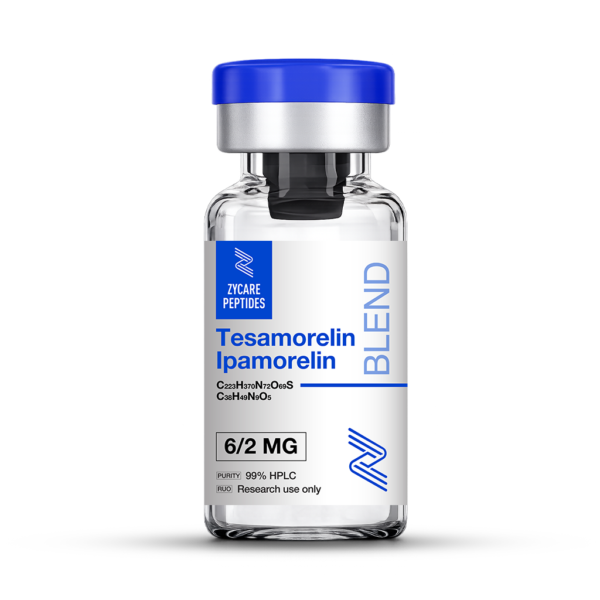
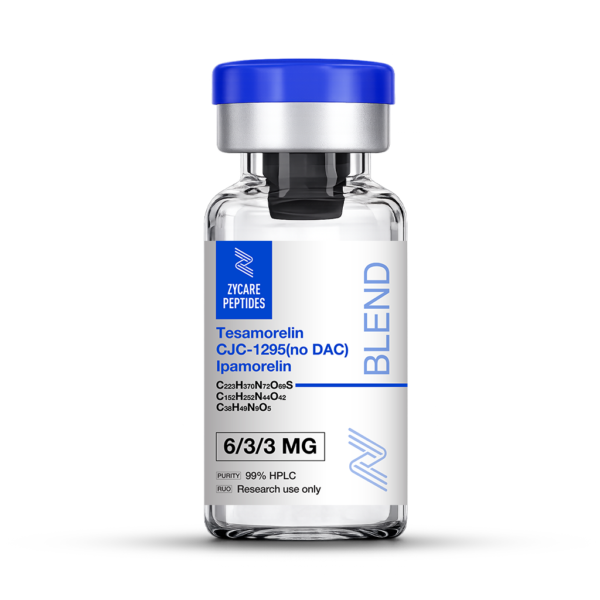
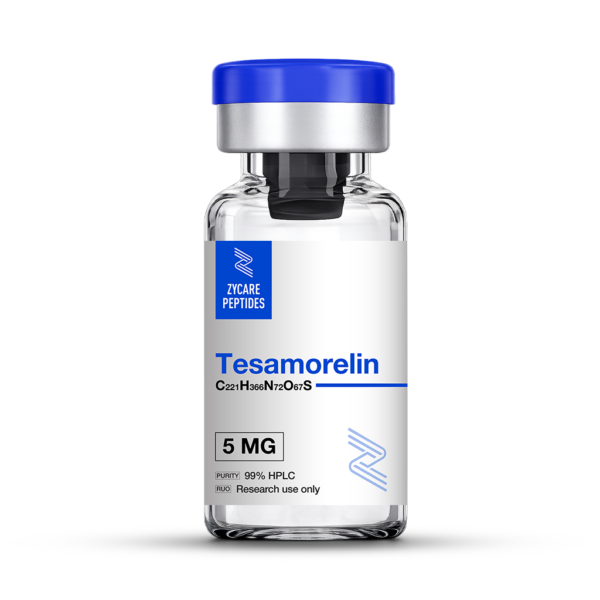
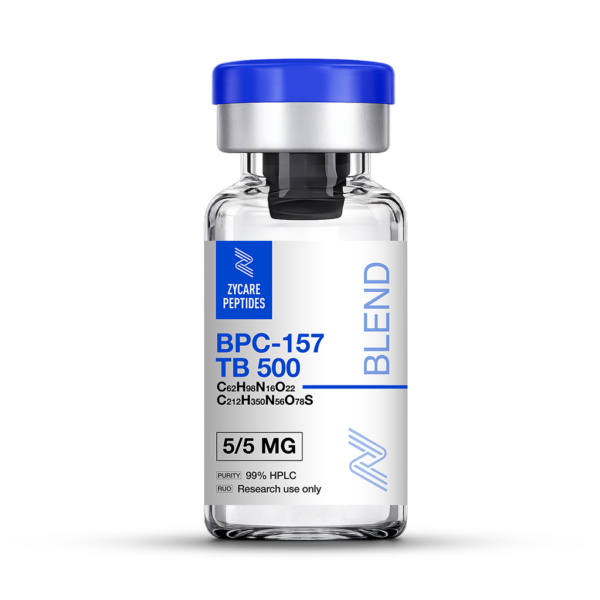
You may also explore BPC-157/TB 500, BPC-157, GLP-TZ, and Tesamorelin + Ipamorelin 8mg Blend peptides available at Zycare Peptides.
FAQs
What is TB-500?
TB-500 is synthetic fragment and TB mimics that repair signal and may regulates actin polymerization.
What for TB-500 is used?
TB-500 is used in tissue repair.
How does TB 500 work?
TB-500 may work by binding G-actin and promotes polymerization, helping cells change shape and migrate to injury sites.
What are the possible side effects of TB-500?
The possible side effects of TB-500 can be headache, dizziness, nausea, flushing and Injection site redness or pain.
How fast does TB-500 may work?
TB-500 may reach to peak plasma concentration at just 15-30 minutes.



Emanuel G. –
I’ve opt for TB500 mg and guess what i’ve recieved it on time thanks to Zycare