
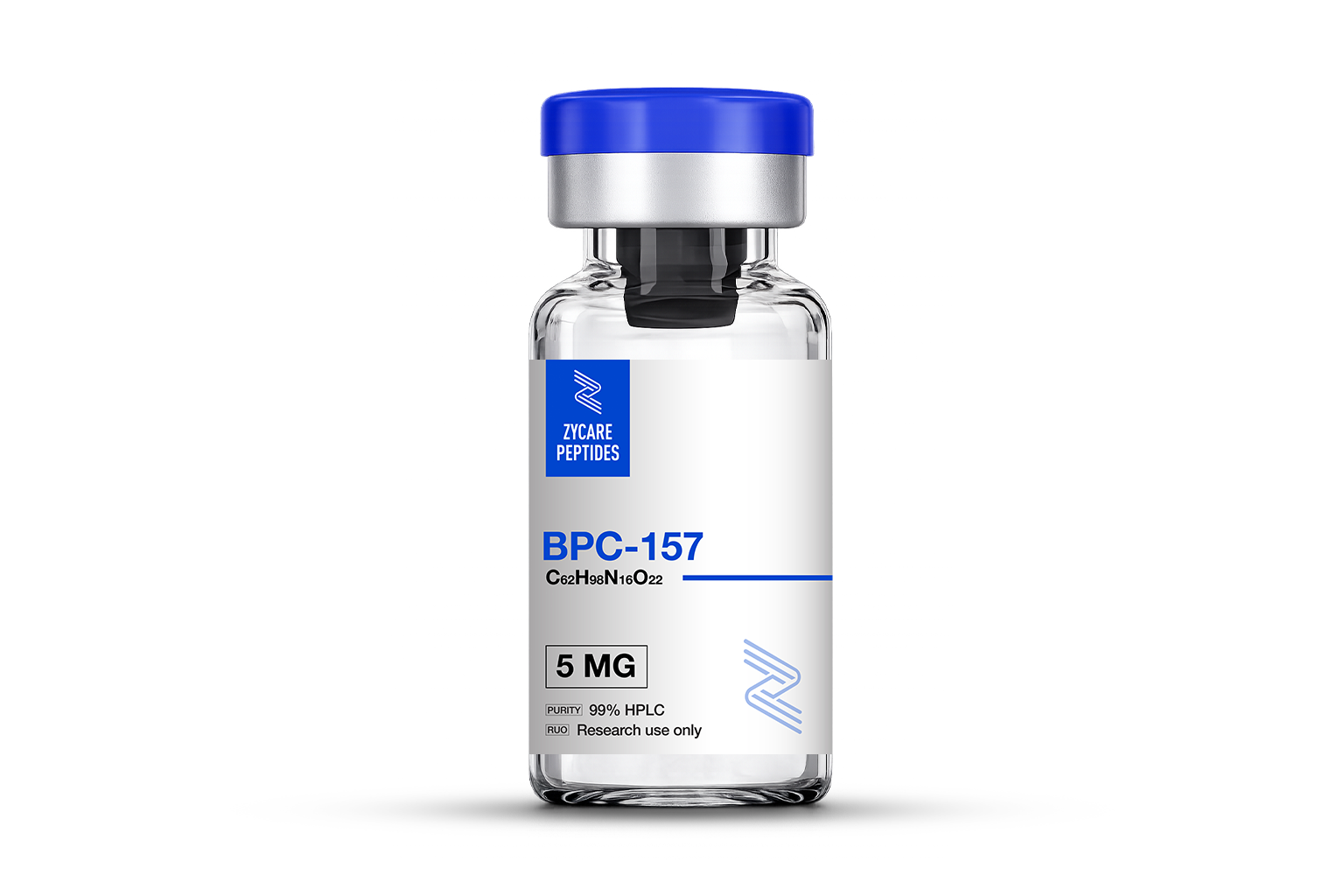
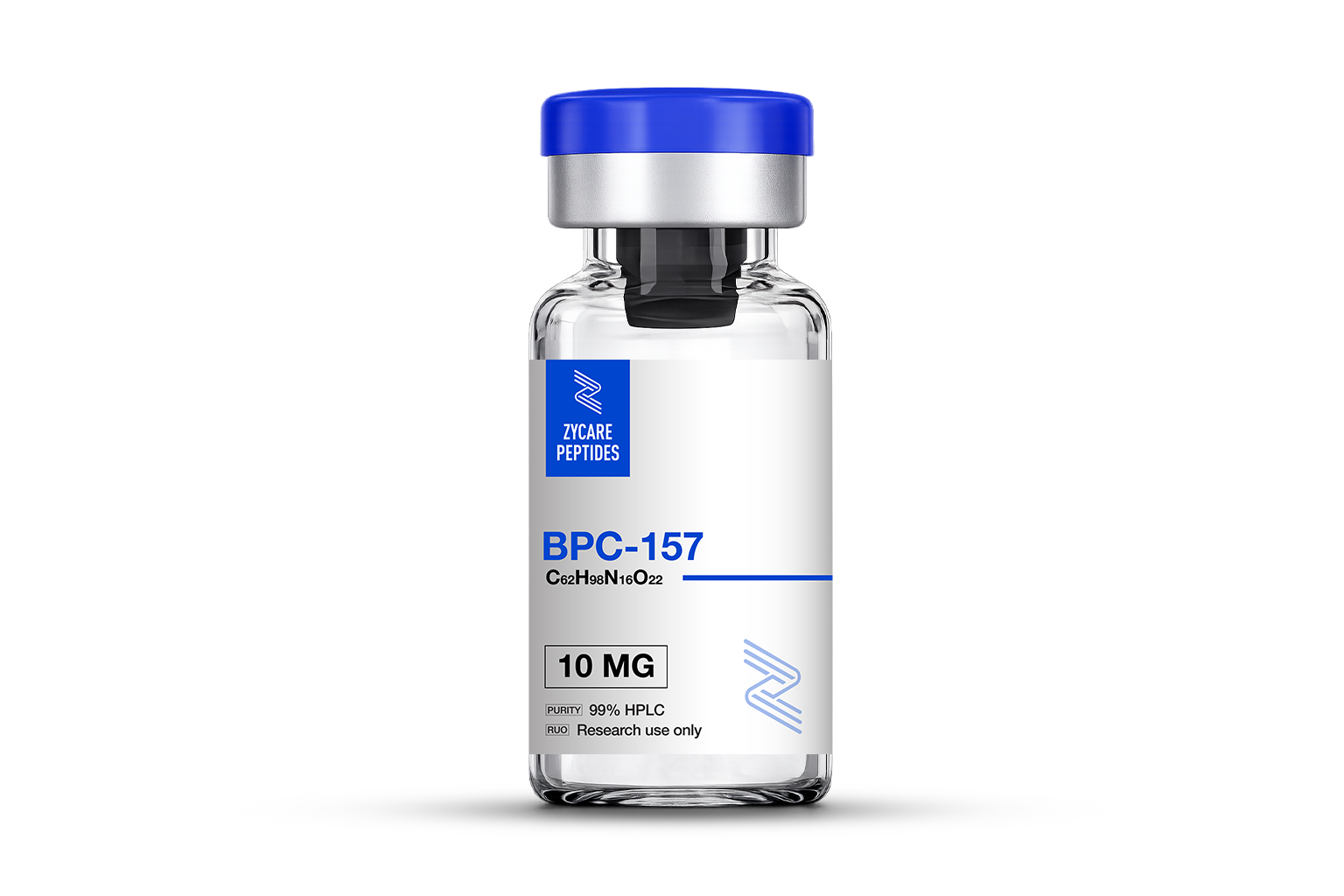


BPC 157 is a Body protection compound-157 it’s a synthetic peptide made up of 15 amino acids derived from a protective protein found in human gastric juice. It’s a research compound which can be used in clinical studies for tendon ligament, muscle injuries, gastric ulcers, inflammatory bowel conditions, nerve damage and traumatic brain injury.
Key Features
| About | |
| Drug Class | Research Peptide |
| Subclass | Cytoprotective peptide and Actin-binding peptide |
| Active ingredient | Pentadecapeptide and Thymosin Beta-4 fragment |
| BPC 157 | |
| Composition | Active ingredients
BPC-157 (Pentadecapeptide) Inactive ingredients: Lyophilized powder Bacteriostatic water |
| Packaging Type | Type 1 Borosilicate glass vial |
| Pack Size | 1 Vial |
| Dosage |
5 mg and 10 mg |
| Active ingredients | Pentadecapeptide and Thymosin Beta-4 fragment |
| Shelf Life | 2-3 years if sealed |
| Usages | Healing and Repair |
How does BPC 157 works?
- It may upregulate VEGF and other growth factors to promote new blood vessel formation, improving blood flow to injured tissue.
- It may stimulate fibroblast migration and activity, increasing collagen deposition and tendon ligament repair rates.
- It may protect gastrointestinal lining, reduces NSAID-induced ulcers, and helps maintain gut barrier integrity via nitric oxide modulation.
- Down-regulates inflammatory cytokines like TNF-alpha, IL-6. Modulates nitric oxide system to balance vasodilation.
- Animal models show reduced damage after brain trauma, and improved recovery in peripheral nerve injury.
- Gut-Brain axis, it may influence dopamine/serotonin systems and reduce GI distress from stress.
Research Application
BPC-157 can be used in preclinical studies for:
- Tendon
- Ligament
- Muscle injuries
- Gastric ulcers
- Inflammatory bowel conditions
- Nerve damage
- Traumatic brain injury
Research Dosage
- Dosing should never be assumed safe without medical oversight.
- BPC-157 starting dose can be 5 mg.
- It can be extended up to 10 mg.
Strength of BPC 157
- BPC-157 5 mg
- BPC-157 10 mg
Side effects
It may show side effects like irritation, redness, nausea, dizziness, fatigue, hot flashes, blood pressure changes, headache etc. It may can interact with NSAIDS, as BPC-157 may counteract NSAID-induced gut damage, but co-use effects unclear. It may interact with anticoagulants as it may affects angiogenesis and NO, caution if you have bleeding disorder. Corticosteroids may alter healing pathways. It may also interact with other peptides and GH secretagogues.
Pharmacokinetics
- It is absorbed from GI tract, though bioavailability is much lower than injection.
- It may reach peak plasma concentration in just 15-30 minutes.
- It’s likely degraded by peptidases in plasma, liver and kidneys.
- Half-life is approx. 4 hours.
- Duration of action, in animal injury models, it effects persist for 24-48 hours after a single dose.
Product Specialization
| Specification | |
| Peptide class | Stable Gastric Pentadecapeptide |
| Molecular structure | Gly-Glu-Pro-Pro-Pro-Gly-Lys-Pro-Ala-Asp-Asp-Ala-Gly-Leu-Val |
| Purity (HPLC) | ≥ 99% |
| Appearance | White to off-white fluffy lyophilized powder or thin firm. |
| Reconstitution | Use sterile water or bacteriostatic water or 0.9% Nacl. |
| Solubility | Soluble in water greater than or equal to 1 mg/mL. Also, soluble but DMSO isn’t used for injection due to tissue irritation. |
| Storage (lyophilized) | -20°C, in sealed vial desiccated. |
| Storage (reconstituted) | 4°C, for 1-3 months |
Precautions
- It should be avoided in cancer, as it may promotes angiogenesis.
- In the Pregnancy and lactation, it should be avoided.
- The one with prior condition of malignancy, autoimmune conditions should avoid.
- It is used only for research purpose.
Conclusion
BPC 157 is a Body protection compound-157 is a research compound and also known to be as a synthetic peptide made up of 15 amino acids derived from a protective protein found in human gastric juice. It’s a research compound which can be used in clinical studies for tendon ligament, muscle injuries, gastric ulcers, inflammatory bowel conditions, nerve damage and traumatic brain injury. It may show some side effects like irritation, redness, nausea, dizziness, fatigue, hot flashes, blood pressure changes, headache etc. It is only for research purposes.
Related Research Peptides
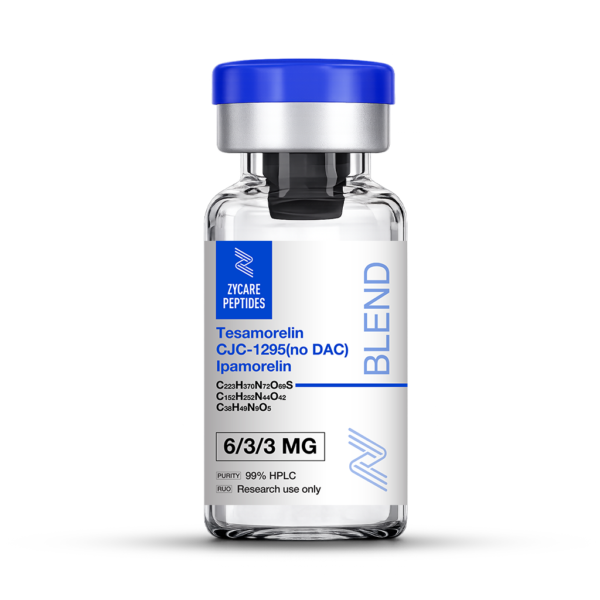
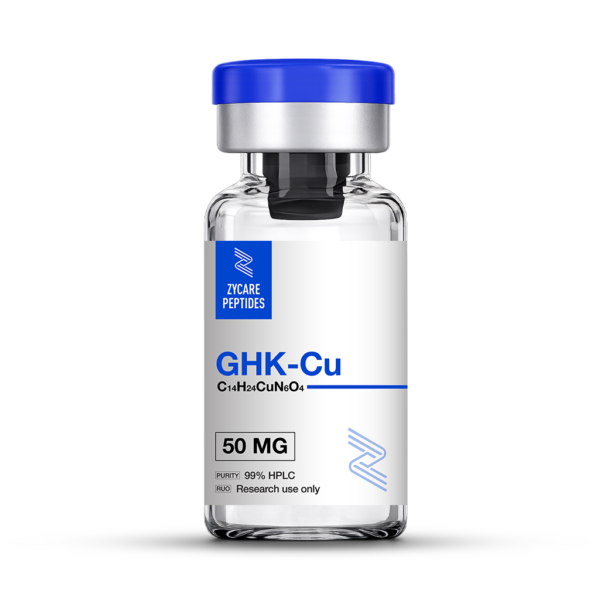
You may also explore TB500, Tesamorelin, GHK-Cu, and BPC-157/TB 500 peptides available at Zycare Peptides.
FAQs
What is BPC 157?
BPC 157 is a Body protection compound-157 is a research compound and also known to be as a synthetic peptide made up of 15 amino acids derived from a protective protein found in human gastric juice.
For what purpose BPC 157 is used?
BPC 157 can be used in clinical studies for tendon ligament, muscle injuries, gastric ulcers, inflammatory bowel conditions, nerve damage and traumatic brain injury.
Does BPC 157 show any side effects?
BPC-157 may shows side effects like irritation, redness, nausea, dizziness, fatigue, hot flashes, blood pressure changes, headache etc.
Is BPC-157 known to be as Healing Peptide?
Yes, BPC-157 is known to be as Healing Peptide.
What can be the half-life of Healing Peptide?
The half-life of BPC-157 is about 4 hours.
| BPC 157 is only for Research purpose it is not for human consumption, veterinary use or therapeutic application or any diagnostic purpose. |






Alyssa Clark –
BPC-157 exceeded my expectations in terms of quality and presentation. It has been easy to incorporate into my routine.
Glen S. –
Very pleased with this product. The consistency and overall experience have been excellent from day one.